Technical detail
Transglutaminase for surimi, imitation seafood, and formed fish products
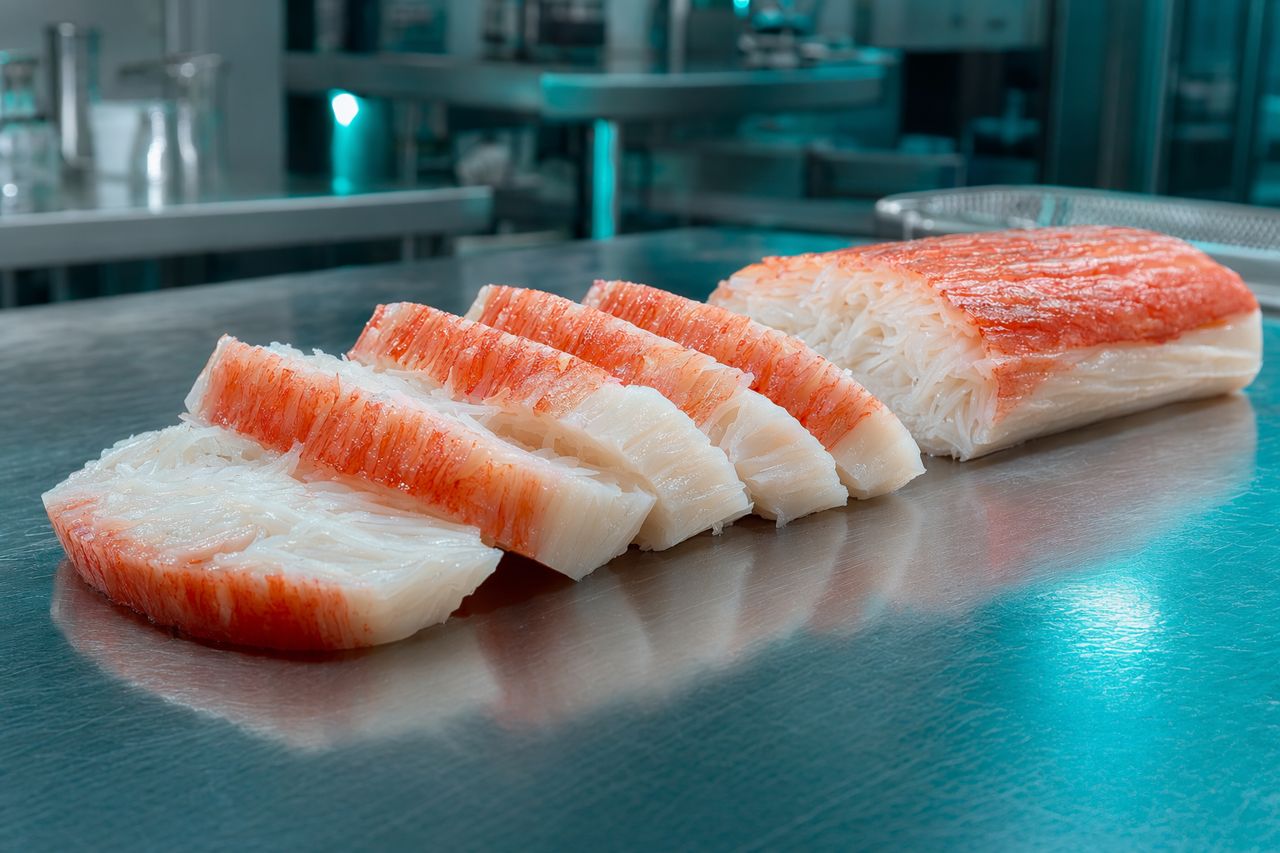
Surimi quality is judged in the bite: elastic snap, clean slice, cohesive chew, and a gel that holds water without turning rubbery. Transglutaminase Enzyme Solutions supplies transglutaminase systems for seafood processors and innovation teams building stronger protein networks in surimi, imitation crab, fish balls, fish cakes, seafood sticks, shrimp analogues, and mixed-protein seafood formats.
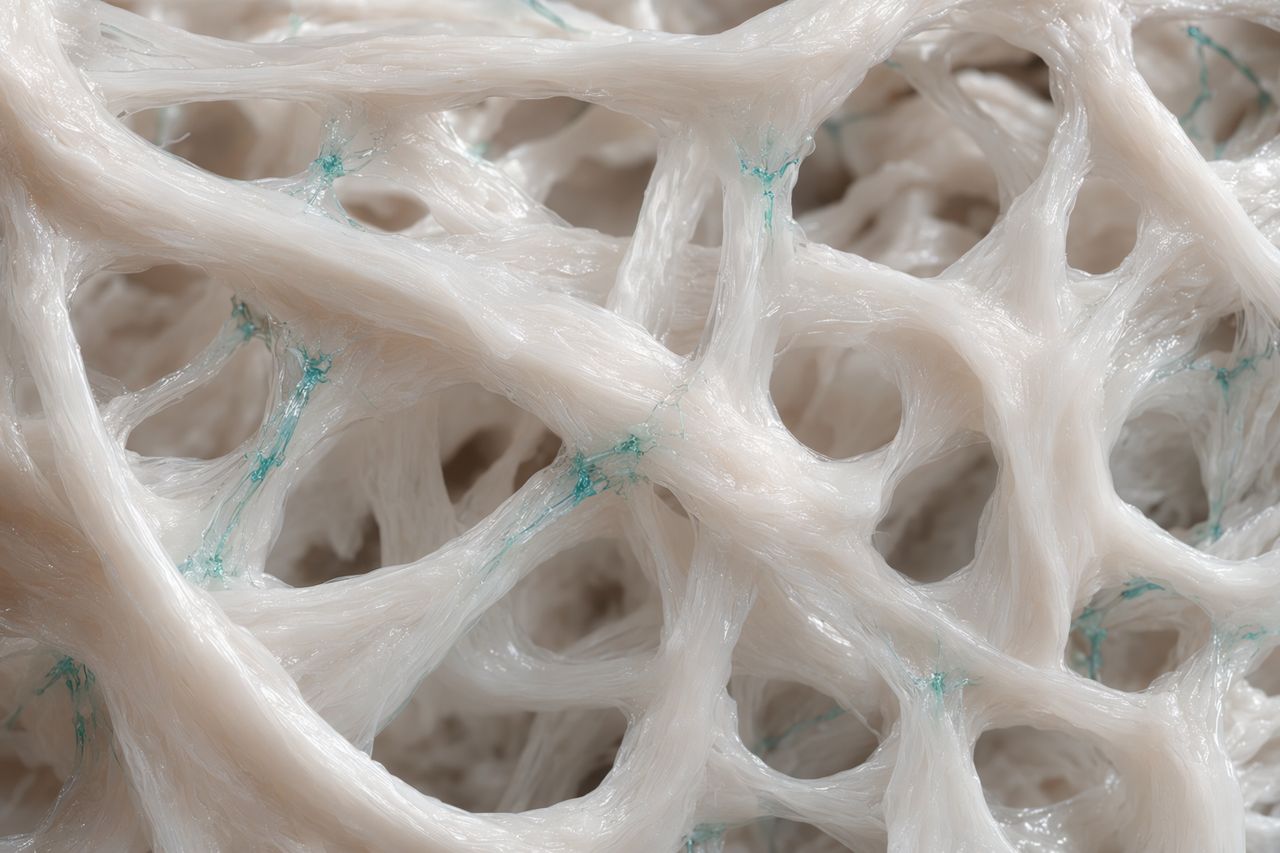
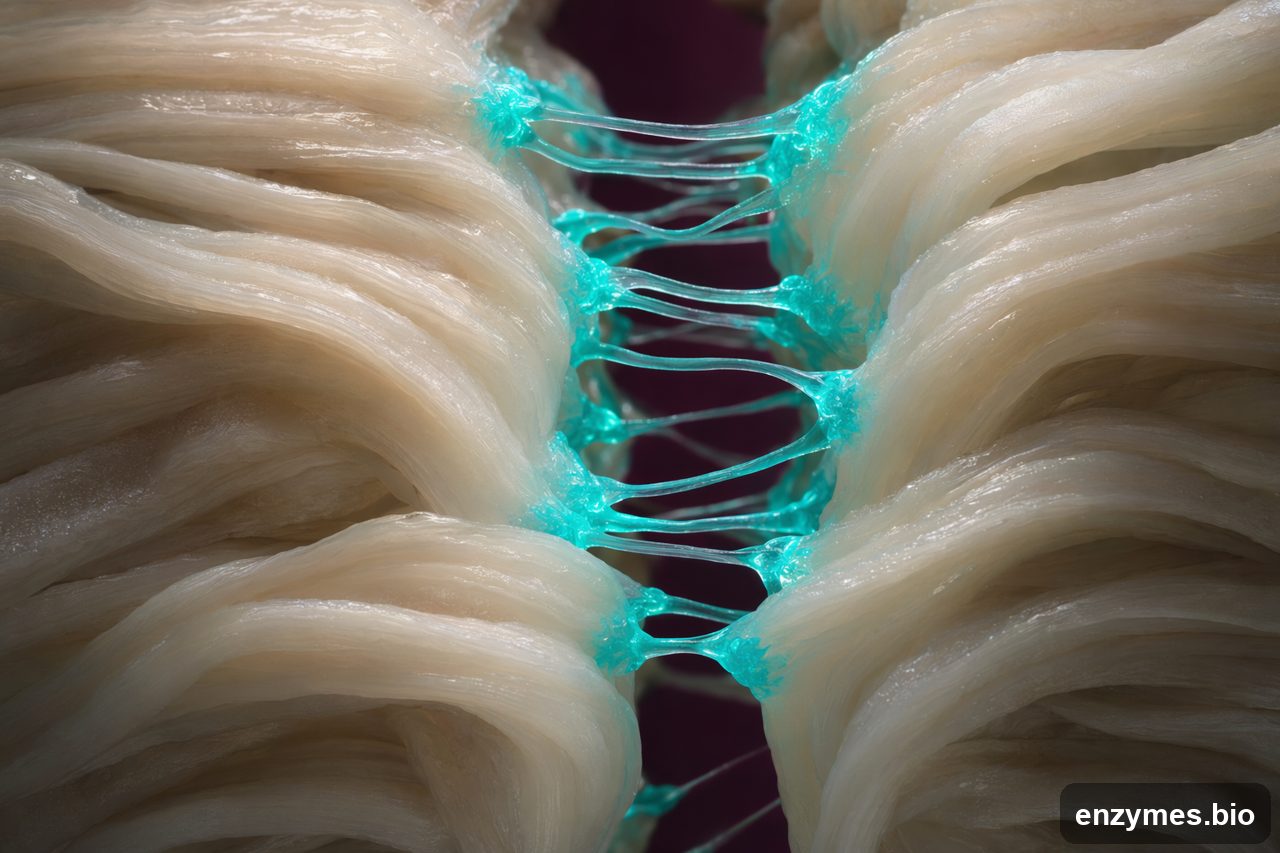
Transglutaminase, also known as protein-glutamine gamma-glutamyltransferase, supports covalent crosslinking between protein chains. In practical seafood formulation, that means better gel integrity, improved binding strength, more consistent forming, and greater flexibility when working with variable fish raw materials or hybrid protein systems.
Wholesale and bulk transglutaminase for food manufacturers, ingredient blenders, distributors and resellers. Every order is quoted individually. Request a quote with your product or application, the quantity you need and the destination country.
What it improves in surimi systems
- Elastic bite and gel strength — helps create the springy, resilient texture expected in premium surimi and imitation crab.
- Cohesion during forming and slicing — supports cleaner cuts, reduced crumbling, and better strand definition in crab-style formats.
- Water retention and yield protection — strengthens the protein matrix so the finished gel holds moisture more effectively through cooking and chilling.
- Process tolerance — helps manage variation in mince quality, washed surimi grade, salt level, starch content, and thermal setting profile.
- Formulation flexibility — enables development across fish-only, fish-plus-starch, fish-plus-egg-white, and hybrid seafood analogue systems.
- Reduced texture drift — supports a more controlled bite across batches, lines, and seasonal raw material variation.
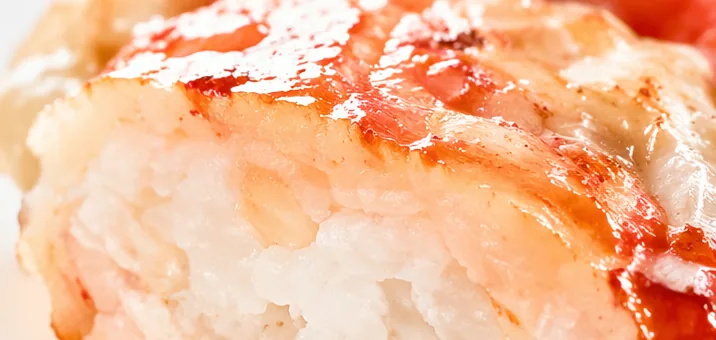
Why transglutaminase matters in seafood texture design
Surimi is not just a protein paste. It is an engineered gel network. Salt-solubilized myofibrillar proteins, moisture, cryoprotectants, starches, gums, flavor systems, color, and thermal processing all compete for structure. Transglutaminase gives formulators another lever: targeted protein-to-protein binding.
When the network is well designed, processors can improve firmness without simply making the product dry or dense. The result is a seafood gel that feels built rather than patched—elastic, hydrated, cohesive, and commercially repeatable.
Typical application areas
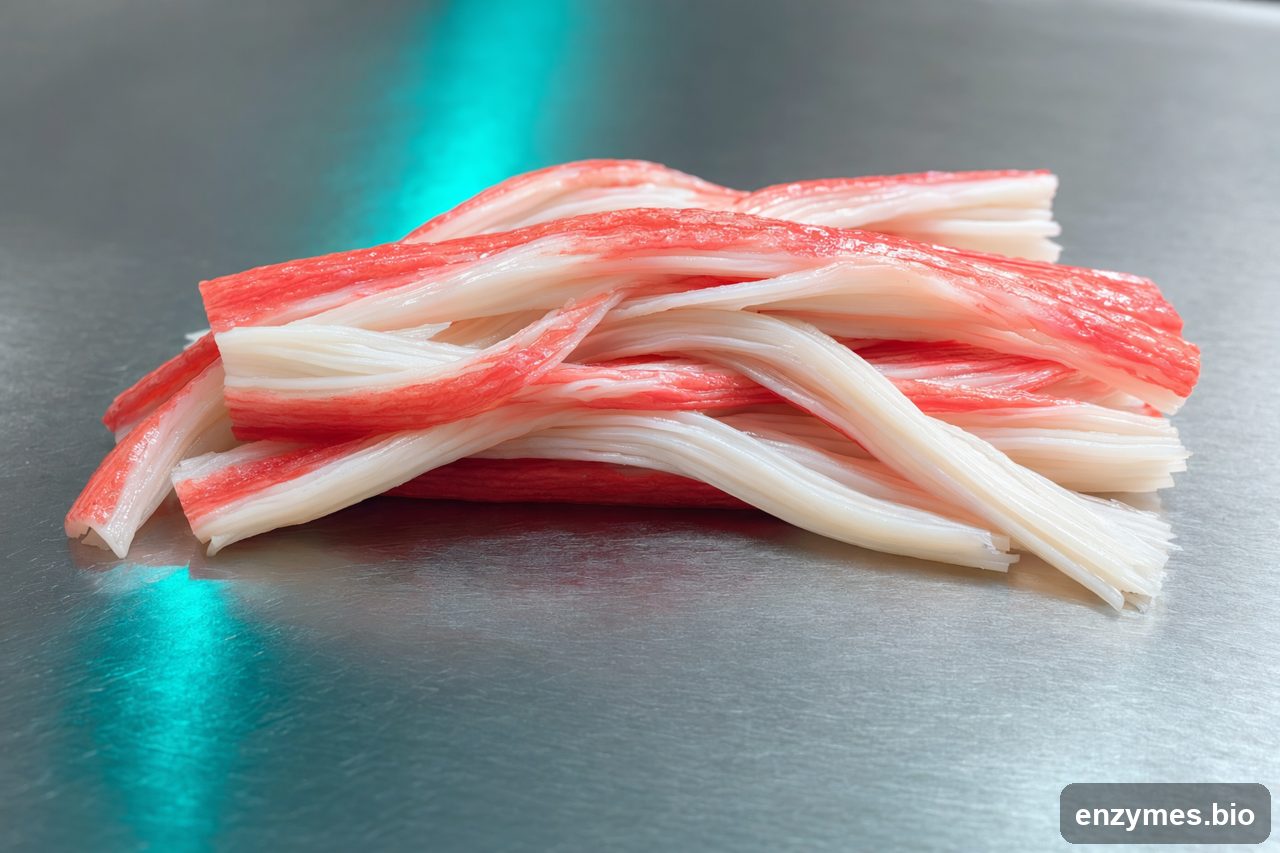
- Imitation crab sticks and flakes
- Surimi seafood chunks and shredded formats
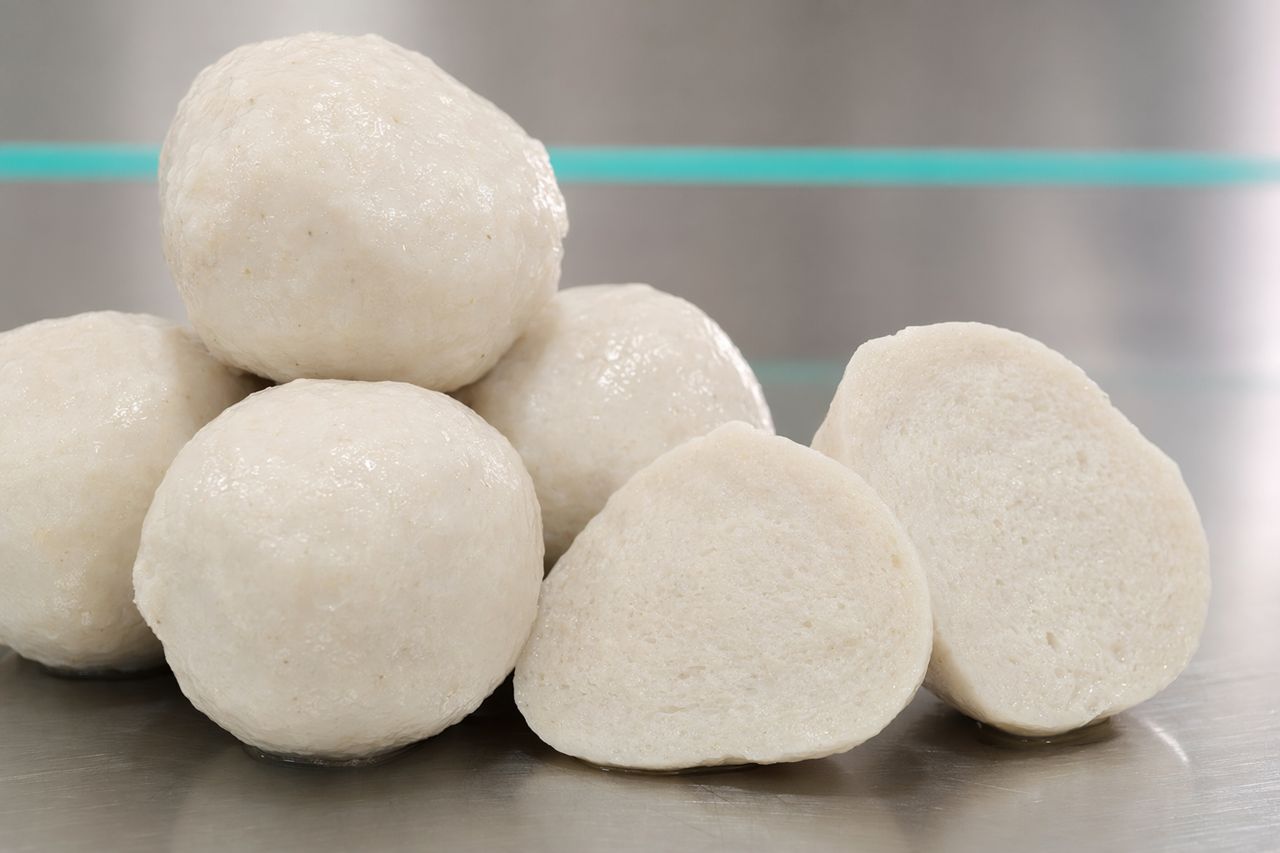
- Fish balls, fish cakes, and hotpot seafood items
- Formed whitefish portions and restructured fish products
- Shrimp, scallop, and lobster-style analogues
- Hybrid seafood systems using fish protein with plant or dairy proteins
- Premium chilled and frozen seafood preparations requiring stable bite
Formulation considerations for R&D teams
Transglutaminase performance depends on the whole protein system, not one ingredient in isolation. During trials, we typically evaluate:
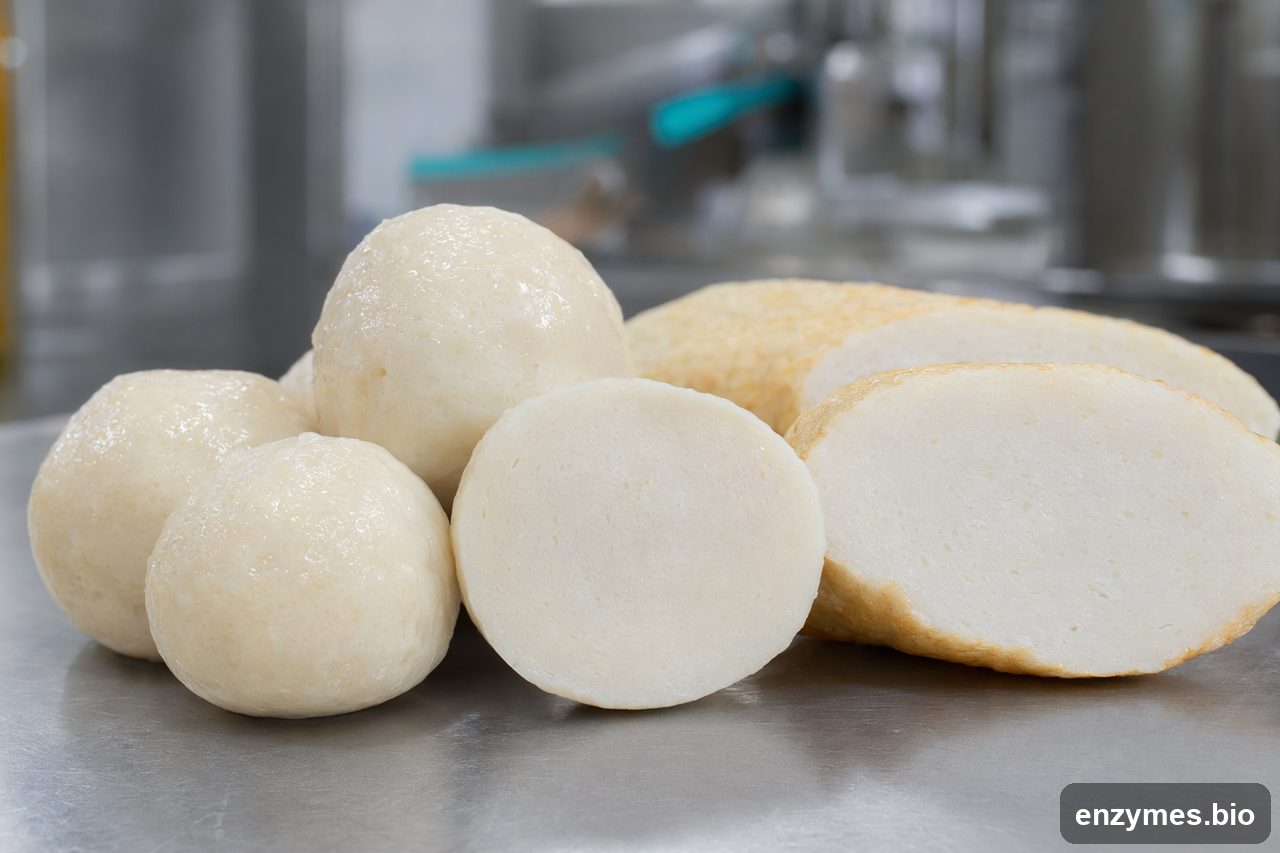
- Protein source and freshness — surimi grade, fish species, washing quality, and freeze history influence crosslinking potential.
- Salt and pH environment — solubilization and gel formation must be aligned with the enzyme window and thermal process.
- Moisture and binder load — starches, hydrocolloids, egg white, soy, pea, or other proteins can alter bite and water movement.
- Mixing intensity and residence time — enough contact is needed for network development without damaging texture.
- Setting and cooking profile — enzyme action and heat gelation should be sequenced to support final elasticity.
- Finished product target — crab stick snap, fish ball bounce, sliceable block structure, and shredded formats all require different texture architecture.
Transglutaminase Enzyme Solutions can support application-specific selection for cold-set, heat-set, chilled, and frozen seafood workflows. We do not publish activity-unit data or assay methodology; recommendations are handled directly with qualified manufacturing teams based on process and product goals.
Commercial advantages for seafood processors
Stronger finished texture
A more connected protein matrix improves bite, chew, and shape retention. This is especially valuable when moving between raw material lots or when developing value-added formats from variable fish input.
Better yield discipline
Improved binding can reduce purge, cooking loss, and texture collapse. In commercial seafood operations, that can translate into more consistent finished weight, cleaner packaging, and fewer downgraded units.
Cleaner product engineering
Transglutaminase may reduce the need to overbuild texture with starch, gums, or excessive salt. It gives product developers a more precise way to strengthen protein structure while preserving a premium eating profile.
Easier innovation across protein systems
As imitation seafood expands into hybrid and alternative protein formats, transglutaminase helps bridge different protein behaviors. It can support cohesion in mixed fish, plant, egg, and dairy-containing systems where texture is otherwise fragile or inconsistent.
Procurement and technical fit
For B2B buyers, the right transglutaminase is not just an ingredient line item. It needs to match production reality: blending method, carrier preference, declaration goals, storage conditions, batch size, regulatory market, and finished product economics.
Transglutaminase Enzyme Solutions provides technical and commercial alignment for:
- Seafood processing facilities
- Surimi block and imitation crab manufacturers
- Frozen prepared seafood producers
- Private-label and co-manufacturing teams
- Ingredient distributors serving seafood applications
- R&D groups developing seafood analogues and hybrid protein products
What we need to recommend the right system
- Product type and target texture
- Fish species or protein base
- Current binder system
- Salt, starch, and moisture strategy
- Process flow from mixing through setting and cooking
- Chilled or frozen distribution requirement
- Label, market, and regulatory constraints
- Monthly or annual purchasing volume
Request pricing or a formulation review
If you are evaluating transglutaminase for surimi, imitation crab, fish balls, or seafood analogue development, send the details below. A Transglutaminase Enzyme Solutions technical-commercial contact will respond with recommended next steps, availability, and pricing guidance.
Ready for a quote? Use the inquiry form at the foot of this page. Tell us the application, the quantity per order or per year and the delivery country. Price, pack size and lead time are quoted per order.
Prefer a shorter first step? Use the message field to ask for get pricing support and include your target application.