Technical detail
Transglutaminase in Yogurt and Fermented Dairy
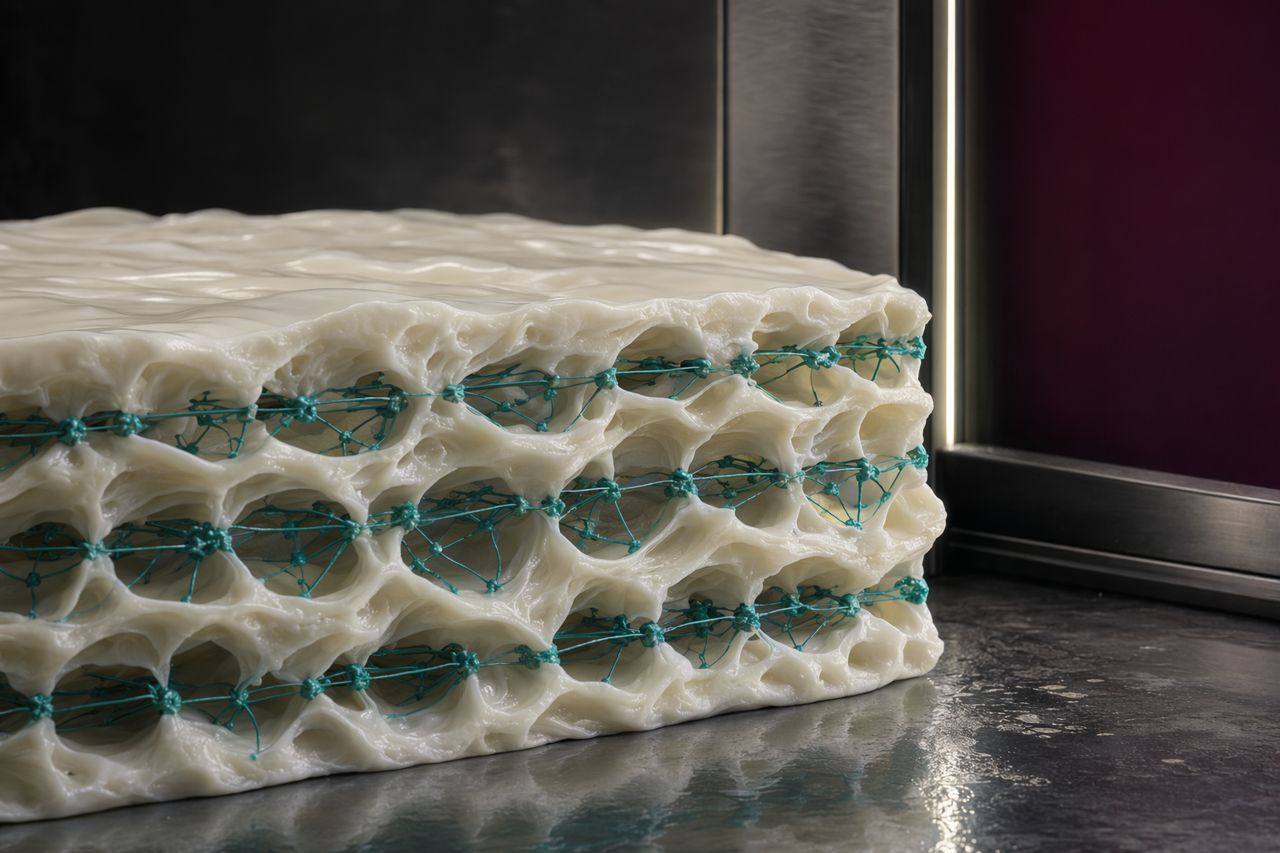
Transglutaminase, also known as protein-glutamine gamma-glutamyltransferase, can strengthen protein networks in yogurt-style and cultured dairy products when the ingredient is matched to the formulation and process. For R&D teams, it is a tool for gel architecture. For procurement and commercialization teams, it is a route to more consistent texture, improved yield protection, and better control of product quality through shelf life.
In fermented dairy, the goal is not simply “more thickness.” The goal is a protein system that sets cleanly, holds water, tolerates handling, and delivers the intended mouthfeel without overloading the formula with solids or hydrocolloids.
Wholesale and bulk transglutaminase for food manufacturers, ingredient blenders, distributors and resellers. Every order is quoted individually. Request a quote with your product or application, the quantity you need and the destination country.
What transglutaminase does in dairy systems
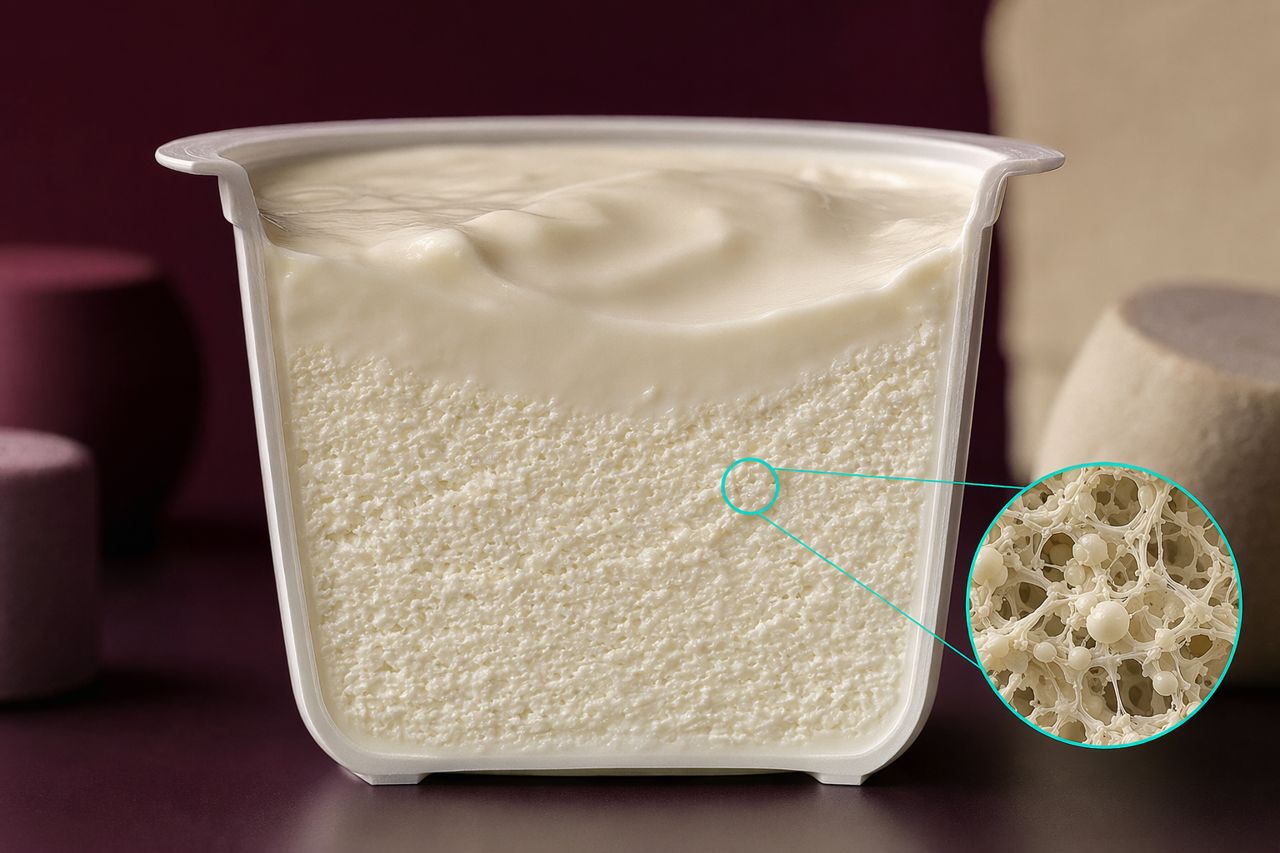
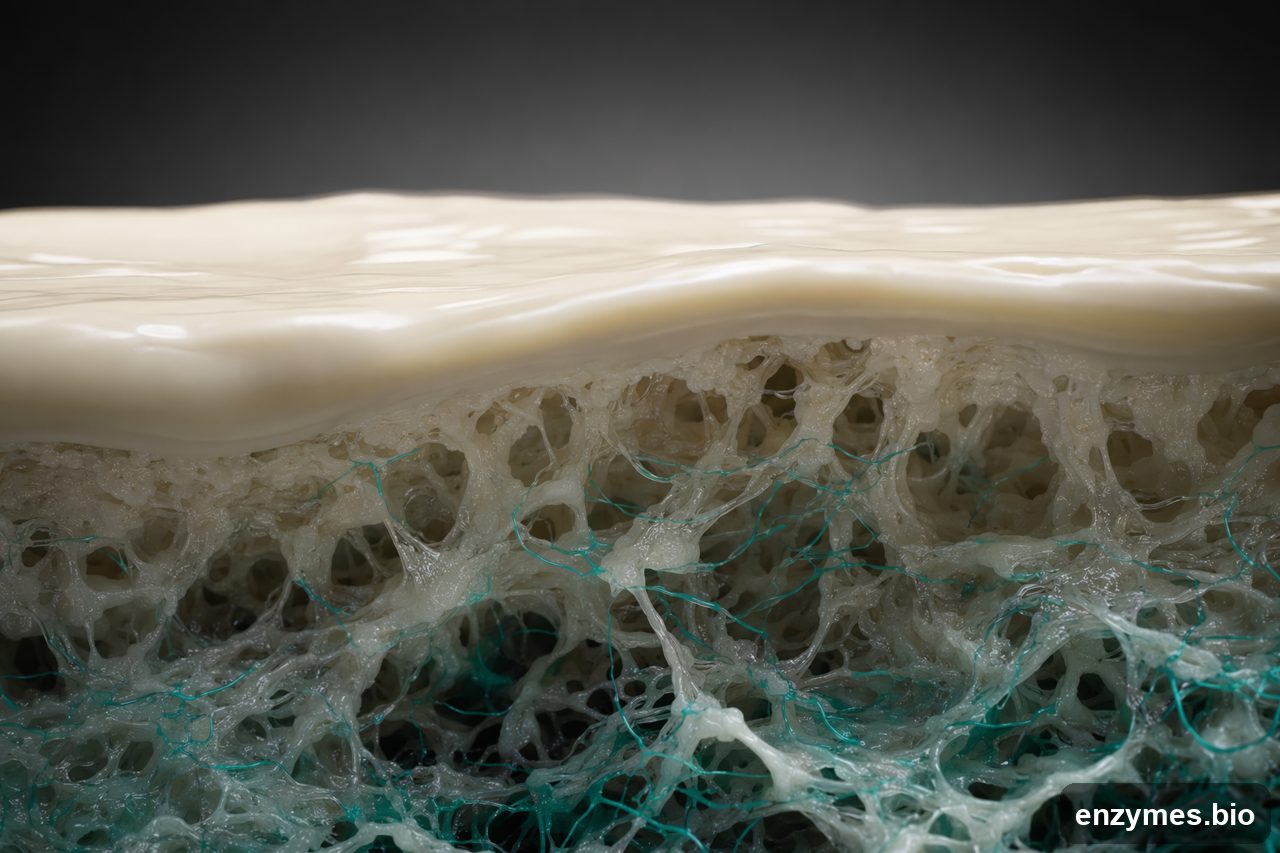
Transglutaminase supports crosslinking between compatible protein sites, helping milk proteins build a more connected gel network. In the right process, this can improve:
- Gel firmness in set yogurt, cup-set formats, and cultured dairy gels
- Creaminess and body in stirred yogurt and Greek-style products
- Reduced syneresis, helping limit visible whey separation
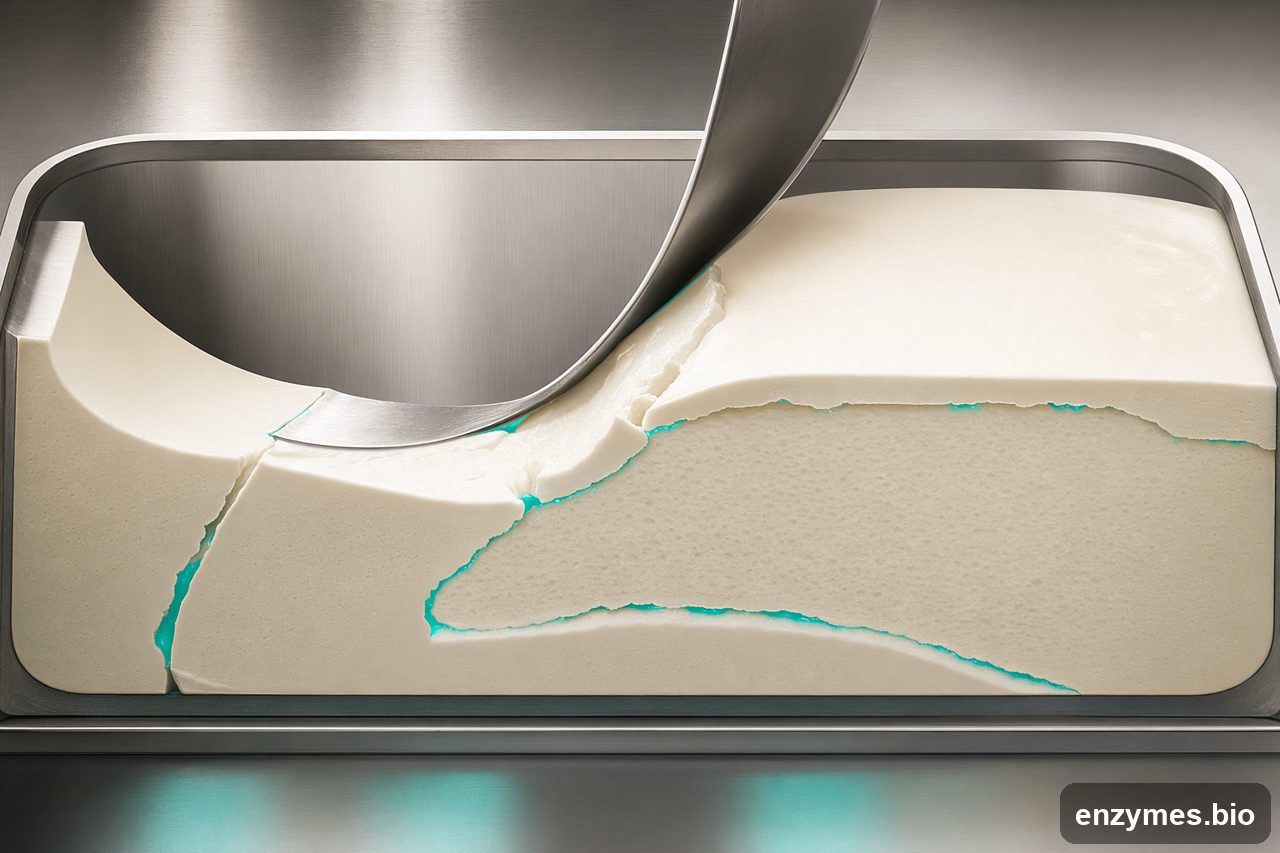
- Cut and spoon behavior, especially where a clean gel break matters
- Process resilience through stirring, pumping, filling, and cold-chain handling
- Formulation flexibility when balancing protein, fat, stabilizers, and cost targets
The commercial value is practical: a tighter protein matrix can help teams design texture with more precision instead of relying only on added solids or stabilizer load.
Where it fits best
Set yogurt
For set yogurt, transglutaminase can support a firmer, more cohesive gel with cleaner spoon fracture and reduced whey-off. The process must be aligned carefully because excessive network development can lead to a gel that feels too rigid or less fresh on the spoon.
Stirred yogurt
In stirred yogurt, the target is usually smooth viscosity, body, and low graininess after shear. Transglutaminase can help preserve structure after fermentation and mechanical handling, but the formulation needs to avoid overbinding that can create heavy or pasty texture.
Greek-style and strained yogurt
For high-protein or strained formats, transglutaminase can help improve body, reduce free whey, and support a denser creamy texture. It can also help product developers evaluate whether texture targets can be met with a more efficient protein system.
Cultured cream and fermented dairy bases
In sour cream-style products, cultured dairy dips, and fermented protein bases, transglutaminase may improve structure and water holding. Performance depends strongly on fat level, protein accessibility, stabilizer system, and shear profile.
Process variables that decide performance
Transglutaminase is process-sensitive. The same ingredient can produce different outcomes depending on the dairy base and plant conditions. The most important variables to define before scale-up are:
- Protein source and standardization: casein-to-whey balance, total protein, milk powder additions, concentrate use, and seasonal milk variation
- Heat history: prior heat treatment affects protein availability and final gel behavior
- Ingredient order: dispersion, hydration, starter addition, and enzyme contact time influence network formation
- Culture profile: acidification speed and final pH shape gel development
- Shear exposure: stirring, smoothing, pumping, and filling can either refine or damage the network
- Stabilizer system: pectin, starch, gelatin alternatives, gums, or clean-label systems must be evaluated with the enzyme, not separately
- Shelf-life objective: early texture, mid-life viscosity, and end-of-life whey-off should all be measured during trials
Formulation advantages
When integrated correctly, transglutaminase can help product teams pursue multiple commercial objectives:

- Improve texture in lower-fat or reduced-solids systems
- Support premium creaminess without excessive stabilizer character
- Reduce visible syneresis in transparent or light-colored cups
- Improve consistency across milk supply variability
- Build firmer gels for set-style products and softer, controlled body for stirred formats
- Help protect product quality through distribution and retail handling
This makes it especially relevant for brands working on high-protein yogurt, clean-label texture systems, cost-optimized dairy bases, and differentiated spoonable formats.
What to watch during development
Transglutaminase is not a universal thickener. It works through protein system design. Development teams should watch for:
- Overly firm or elastic gels
- Grainy texture after stirring
- Slower or altered culture behavior
- Inconsistent whey-off results caused by process variation
- Texture drift during shelf life
- Interaction with stabilizers, flavors, fruit preparations, minerals, or protein concentrates
The best results usually come from structured bench trials followed by pilot validation under real shear, fill, cooling, and storage conditions.
Procurement and specification considerations
For commercial buying, the enzyme format matters as much as the headline ingredient name. Procurement and technical teams should align on:
- Product format and dispersion behavior
- Carrier system and declaration requirements
- Allergen, GMO, halal, kosher, and regional compliance needs
- Documentation package for internal approval
- Lot-to-lot consistency expectations
- Packaging size, storage conditions, and handling workflow
- Forecast volume, lead time, and continuity of supply
Transglutaminase Enzyme Solutions supports B2B teams with specification alignment so the selected transglutaminase format fits the plant, the label strategy, and the product launch timeline.
Development path for yogurt and fermented dairy
A practical evaluation should move through four stages:
- Define the target texture: firmness, spoon break, viscosity, creaminess, and whey-off tolerance.
- Map the process: milk preparation, heat treatment, cooling, enzyme addition, culture addition, fermentation, shear, filling, and storage.
- Run matrix trials: compare protein level, fat level, stabilizer package, enzyme contact, and culture behavior.
- Validate commercially: confirm texture after plant-scale handling and through intended shelf life.
This prevents the common mistake of approving a bench texture that cannot survive the line.
Request a quote or get pricing
If you are developing yogurt, Greek-style yogurt, stirred yogurt, set yogurt, cultured cream, or fermented dairy bases, share your application brief with Transglutaminase Enzyme Solutions. We can help identify the right transglutaminase format for your process and provide commercial pricing.
Ready for a quote? Use the inquiry form at the foot of this page. Tell us the application, the quantity per order or per year and the delivery country. Price, pack size and lead time are quoted per order.