Technical detail
Transglutaminase in Food Texture Development
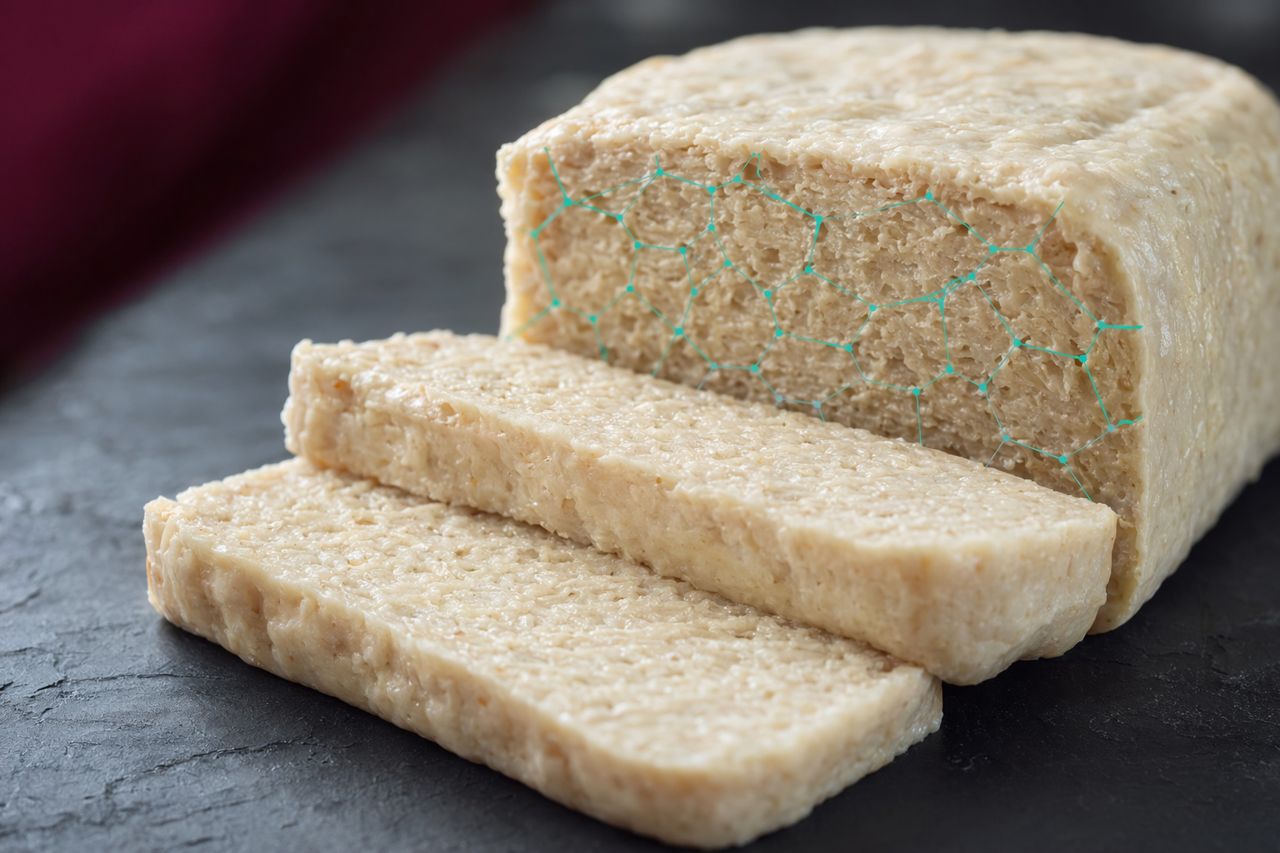
Texture is not a finishing detail. In protein foods, it is structure, yield, bite, sliceability, and consumer repeat purchase. Transglutaminase, also known as protein-glutamine gamma-glutamyltransferase, helps food teams design that structure by linking compatible proteins into a more continuous network.
For R&D, it gives a controlled way to tune firmness, elasticity, cohesiveness, and chew. For operations, it can improve handling, forming, slicing, and water retention when the process is built correctly. For procurement and innovation teams, it expands formulation flexibility across animal, dairy, seafood, and plant-protein systems.

At Transglutaminase Enzyme Solutions, we frame transglutaminase as a texture-building tool: precise enough for formulation work, practical enough for production scale, and commercially useful when texture needs to hold from bench sample to packed product.
Wholesale and bulk transglutaminase for food manufacturers, ingredient blenders, distributors and resellers. Every order is quoted individually. Request a quote with your product or application, the quantity you need and the destination country.
What transglutaminase does to food texture
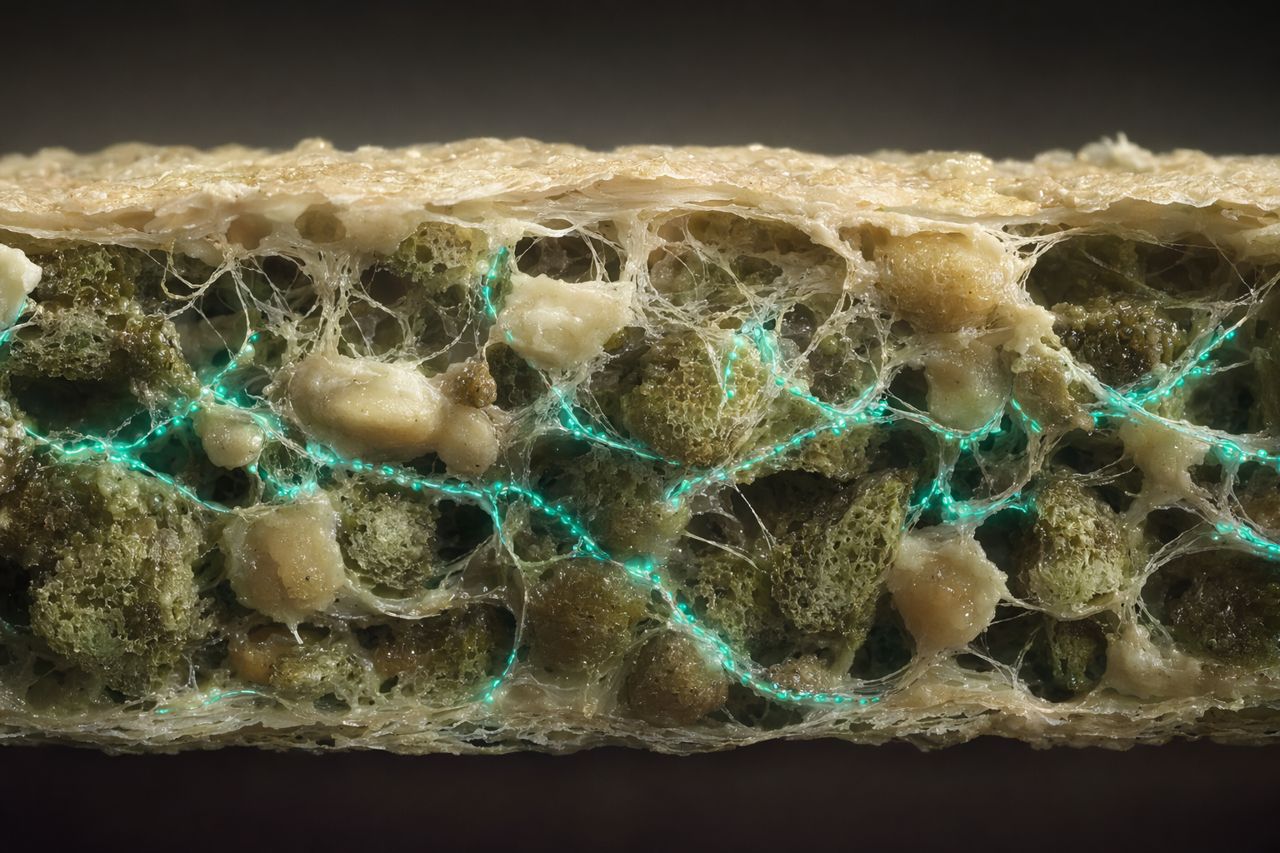
Transglutaminase supports covalent cross-linking between suitable protein sites. In practical terms, that can turn a loose or fragile protein phase into a more integrated network. The visible result depends on the formulation, but the commercial texture outcomes usually fall into five areas:
- Bite definition — cleaner resistance on first chew, less paste-like collapse.
- Firmness — improved set and shape retention in formed, filled, or gelled products.
- Elasticity — controlled spring-back where a resilient bite is desired.
- Cohesiveness — better internal binding and reduced crumbling, flaking, or separation.
- Slicing performance — more stable edges, less fracture, and improved portion integrity.
The enzyme does not create texture from nothing. It amplifies the potential of the protein system already present. Protein type, solubility, hydration, salt system, fat level, thermal profile, and mechanical treatment all influence the final texture.
Why texture development teams use it
Food developers often face the same challenge: the product has enough protein on paper, but the structure is not doing the work. It may break during slicing, weep after chilling, crumble in plant-based formats, or lack the bite expected in a premium product.
Transglutaminase helps close that gap by improving how proteins connect inside the matrix.
Better binding strength
In comminuted meat, seafood portions, restructured proteins, and hybrid systems, stronger internal binding can reduce weak seams and improve shape integrity. This is especially valuable where a product must survive forming, cooking, chilling, packing, transport, and consumer preparation without losing its intended structure.
More controlled firmness
Firmness can be built gradually rather than forced through excessive gums, starches, or aggressive thermal treatment. That gives R&D teams more room to balance bite with juiciness, tenderness, and clean-label targets.
Improved elasticity and chew
Elasticity matters in products where consumers expect spring, resilience, or snap. Transglutaminase can help create a more connected protein network, supporting chew that feels engineered rather than rubbery.
Cleaner slicing and portioning
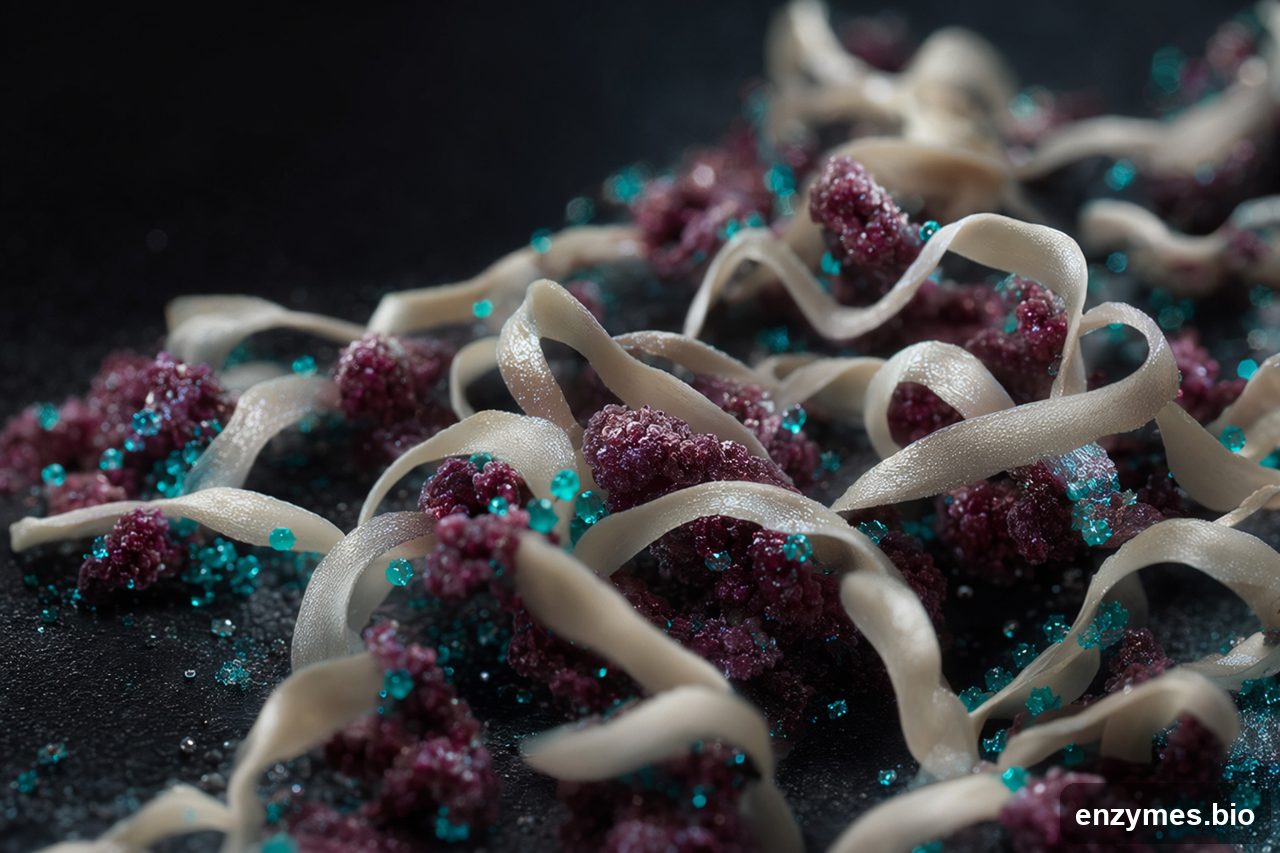
A cohesive protein matrix tends to cut more cleanly. For sliced meats, seafood formats, dairy gels, and plant-protein blocks, improved slice integrity can reduce giveaway, trim loss, visual defects, and line interruptions.
Better yield and water management
When protein structure holds more effectively, moisture and fat can be retained more consistently. The result can be improved cooked yield, less purge, and a more premium eating experience. The effect is formulation-dependent, but the value is operational as much as sensory.
Application areas
Meat and poultry systems
Transglutaminase is widely used where meat proteins need stronger cohesion, cleaner cutting, or improved formed-product stability. It can support:
- Restructured meat formats
- Sausages and emulsified products
- Cooked and chilled slicing products
- Marinated or value-added protein systems
- Hybrid meat and plant-protein concepts
Key texture objectives include firm bite, reduced fracture, improved binding, and better slice appearance.
Seafood texture and portion integrity
Seafood proteins can be delicate, variable, and prone to breakage. In suitable systems, transglutaminase can improve cohesion and help create more stable portions without masking the natural character of the raw material.
Common objectives include:
- Stronger binding in formed seafood
- Improved handling before and after cooking
- Reduced crumbling in portioned formats
- Better bite in surimi-style or blended systems
Dairy gels and cultured formats
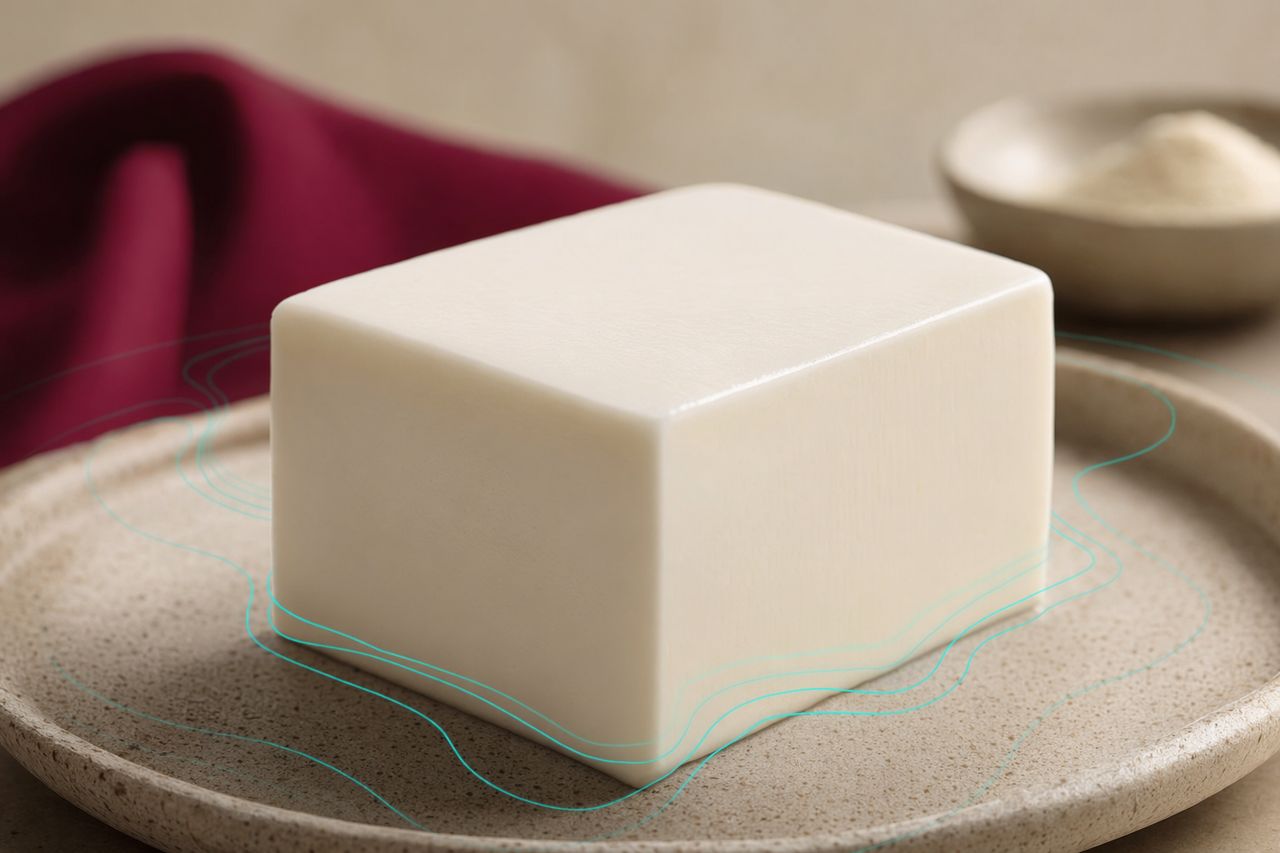
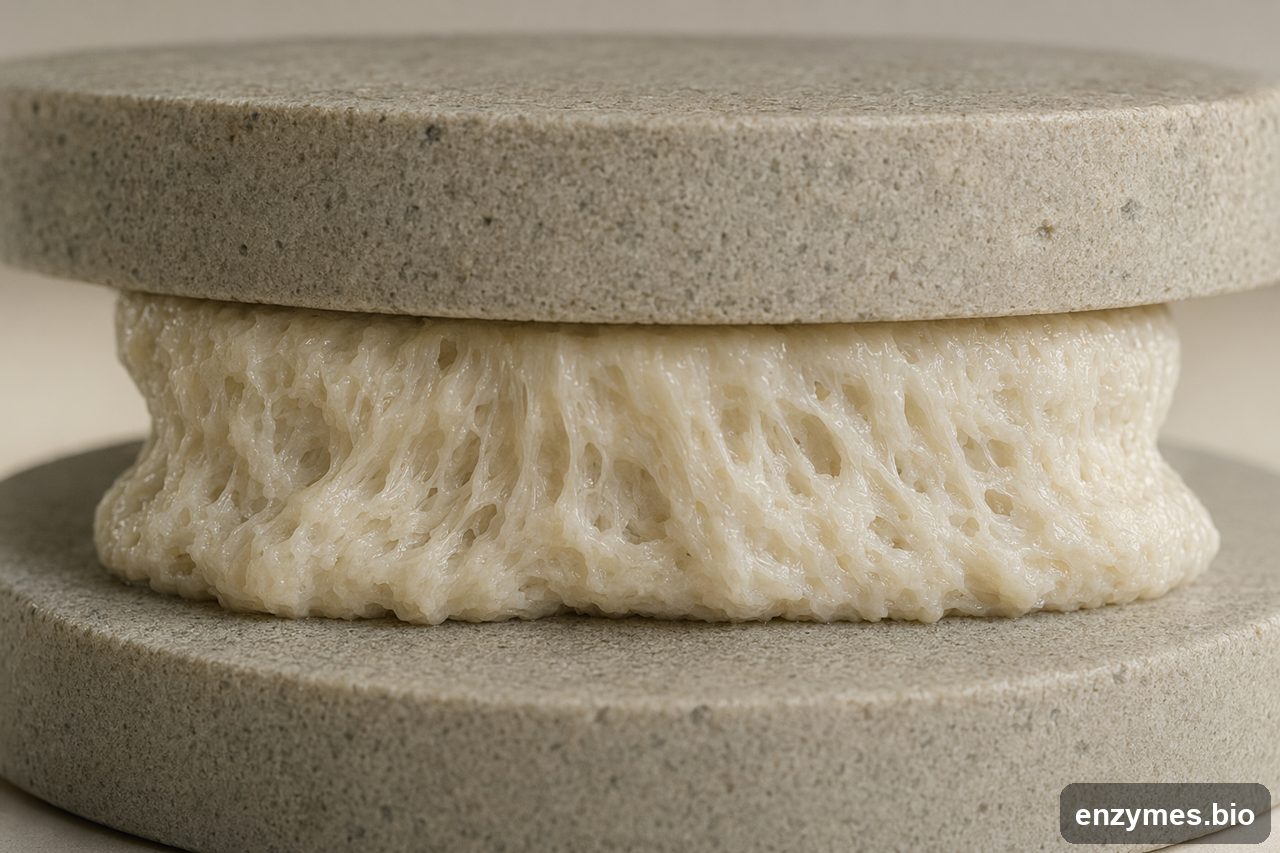
In dairy systems, the enzyme can help build a more connected protein network. This can support gel firmness, reduced syneresis, and a smoother perception of body. It is especially relevant where the product must maintain structure through filling, storage, spooning, or cutting.
Texture targets may include:
- Firmer gel set
- Improved creaminess without heaviness
- Reduced whey separation
- Cleaner cut in set or sliced formats
Plant-protein and alternative-protein design
Plant proteins often bring variability in solubility, flavor, particle size, and hydration behavior. Transglutaminase can support network formation when compatible protein sites are available and the process gives the enzyme access to them.
For plant-based development, it is often evaluated for:
- Reduced crumbling in patties, nuggets, and blocks
- More cohesive bite in meat alternatives
- Improved structure in blended protein systems
- Reduced dependence on heavy hydrocolloid architecture
Plant systems require careful screening. Protein source, pre-treatment, heat history, and companion ingredients can change the result significantly.
Formulation factors that affect performance
Transglutaminase performs best when the surrounding process is designed for protein contact and network formation. R&D teams should evaluate the enzyme as part of a system, not as a simple additive swap.
Important variables include:
- Protein accessibility: Cross-linking depends on available reactive sites and sufficient protein dispersion.
- Hydration sequence: Poor hydration can limit enzyme contact and produce uneven texture.
- Mixing intensity: Enough mechanical action is needed to distribute the enzyme, but overworking may damage the target structure.
- Salt and mineral system: Ionic conditions can affect protein extraction, solubility, and texture development.
- Fat level and emulsion quality: Fat can improve eating quality but may interfere with protein continuity if not stabilized.
- Hold time before thermal setting: The enzyme needs an appropriate process window to build structure before the product is stabilized.
- Thermal profile: Heating can stop enzyme activity and lock in the finished texture; timing is critical.
- Particle size and matrix design: Coarse inclusions, fibers, or particulates change how the network forms and cuts.
Texture outcomes by product goal
| Product goal | Texture issue | How transglutaminase may help |
|---|---|---|
| Cleaner sliced product | Edge fracture, weak cohesion, purge | Builds a more integrated protein matrix for improved slicing and portion stability |
| Firmer gel or block | Soft set, poor shape retention | Supports cross-linked protein structure and stronger gel body |
| Better formed-product integrity | Breakage during forming, cooking, or packing | Improves internal binding strength and handling resilience |
| More elastic bite | Flat, pasty, or brittle chew | Helps create spring and chew through protein network development |
| Reduced crumbling in plant-protein systems | Weak binding, dry fracture, particulate separation | Supports cohesion when protein accessibility and hydration are optimized |
Development approach: from bench to production
A useful transglutaminase trial should be built around measurable texture objectives, not only ingredient replacement.
1. Define the texture target
Start with the commercial problem: slice integrity, bite firmness, elasticity, yield, purge, cutting loss, or product handling. Texture language should be tied to a measurable outcome such as compression profile, cut quality, cook loss, sensory bite, or pack appearance.
2. Build a controlled trial matrix
Screen enzyme inclusion, hydration order, mixing time, hold conditions, thermal step, and companion ingredients. Keep one reference formula unchanged so improvements are visible and commercially defensible.
3. Evaluate after the full process
Bench texture immediately after mixing is not enough. Assess the product after cooking, chilling, slicing, freezing, thawing, reheating, or shelf-life storage as relevant. Transglutaminase value often appears in downstream stability, not only in the first set.
4. Confirm production tolerance
A texture that works only in a small bowl is not a production solution. Validate distribution, residence time, temperature exposure, pumping, forming pressure, and packaging conditions before locking the specification.
Common causes of underperformance
When the result is weaker than expected, the issue is usually system design rather than enzyme potential.
Common failure points include:
- The target protein is not sufficiently accessible.
- The enzyme is added too late for even distribution.
- Hydration is incomplete or uneven.
- The process window is too short before heat stabilization.
- Excessive heat is applied before network development.
- The formula relies on proteins that are not responsive in the chosen conditions.
- Fat, fiber, starch, or hydrocolloids interrupt protein continuity.
- The texture target is being evaluated before the product has completed its real production cycle.
Procurement considerations
For B2B buyers, the right transglutaminase selection is not only about price per kilogram. The commercially relevant questions are:
- Does the enzyme match the target protein system?
- Is the texture response consistent across raw material variability?
- Can the supplier support bench trials and scale-up decisions?
- Does the ingredient fit labeling, allergen, religious, and regional compliance requirements?
- Is documentation available for purchasing, QA, and regulatory review?
- Can supply continuity support launch volume and repeat production?
A lower input cost is not useful if it creates inconsistent bite, unstable slicing, or reformulation delays. Texture consistency is part of landed value.
Where transglutaminase delivers the most value
Transglutaminase is most compelling when a product needs a protein-based texture solution rather than a cosmetic thickening effect. It is particularly useful when teams are trying to improve structural performance while maintaining a premium mouthfeel.
Best-fit opportunities include:
- Products where slicing loss or breakage affects yield.
- Premium formats where bite quality drives consumer perception.
- Plant-protein products that need stronger cohesion.
- Dairy or seafood systems where syneresis or fragility limits shelf appeal.
- Formed or restructured products where internal binding is essential.
- Reformulations that need texture improvement without a heavy additive profile.
Request pricing or a texture-development quote
If you are developing a protein product and need better bite, firmness, elasticity, cohesion, yield, or slicing performance, Transglutaminase Enzyme Solutions can help evaluate the right transglutaminase approach for your process.
Ready for a quote? Use the inquiry form at the foot of this page. Tell us the application, the quantity per order or per year and the delivery country. Price, pack size and lead time are quoted per order.