Technical detail
What Is Transglutaminase?
Transglutaminase, also known as protein-glutamine gamma-glutamyltransferase, is an enzyme used to build stronger, more connected protein structures.
In food processing, its value is practical: it helps proteins bind to each other, improving texture, cohesion, sliceability, gel strength, water retention, and overall product architecture. For R&D teams, it is a protein-system design tool. For operations and procurement teams, it is a way to improve consistency, yield, and formulation flexibility without redesigning the entire process.
Transglutaminase is most often discussed in meat and seafood applications, but its use extends across dairy, plant-based foods, prepared meals, noodles, bakery systems, and hybrid protein formats.
Wholesale and bulk transglutaminase for food manufacturers, ingredient blenders, distributors and resellers. Every order is quoted individually. Request a quote with your product or application, the quantity you need and the destination country.
The Short Definition
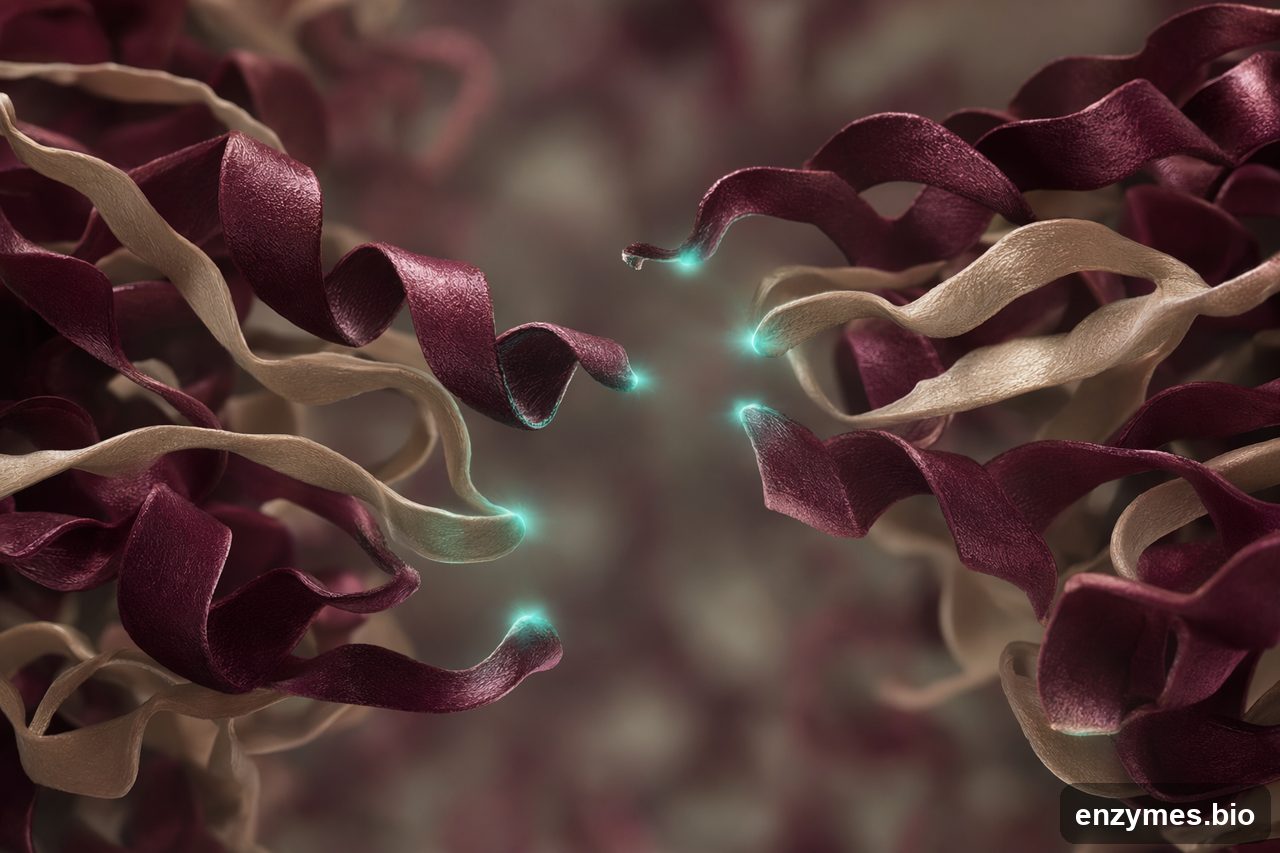
Transglutaminase is a protein-crosslinking enzyme. It forms durable bonds between specific amino acid sites in proteins, especially glutamine and lysine residues.
The result is a more integrated protein network.
That network can change how a product behaves during mixing, forming, heating, slicing, freezing, thawing, or eating. Depending on the formulation, transglutaminase can support a firmer bite, cleaner cut, improved binding between pieces, reduced crumbling, better gel stability, or lower purge.
Why Food Manufacturers Use It
Transglutaminase is used when a protein system needs more structure than the raw material can provide on its own.
Common commercial objectives include:
- stronger binding in formed meat, poultry, and seafood systems
- improved slice integrity in restructured products
- firmer dairy gels and cleaner curd or gel behavior
- better water management in protein-rich formulations
- improved texture in plant-based and hybrid protein systems
- reduced breakage, cracking, or crumbling during handling
- more flexible use of trim, pieces, or variable protein inputs
- premium mouthfeel without excessive hardening when properly dosed and processed
It is not a filler, preservative, flavor system, or masking agent. Its primary function is structural.
How Transglutaminase Works
Proteins are not just nutritional ingredients. They are materials. They unfold, hydrate, aggregate, gel, bind water, and interact with fats, salts, fibers, starches, and minerals.
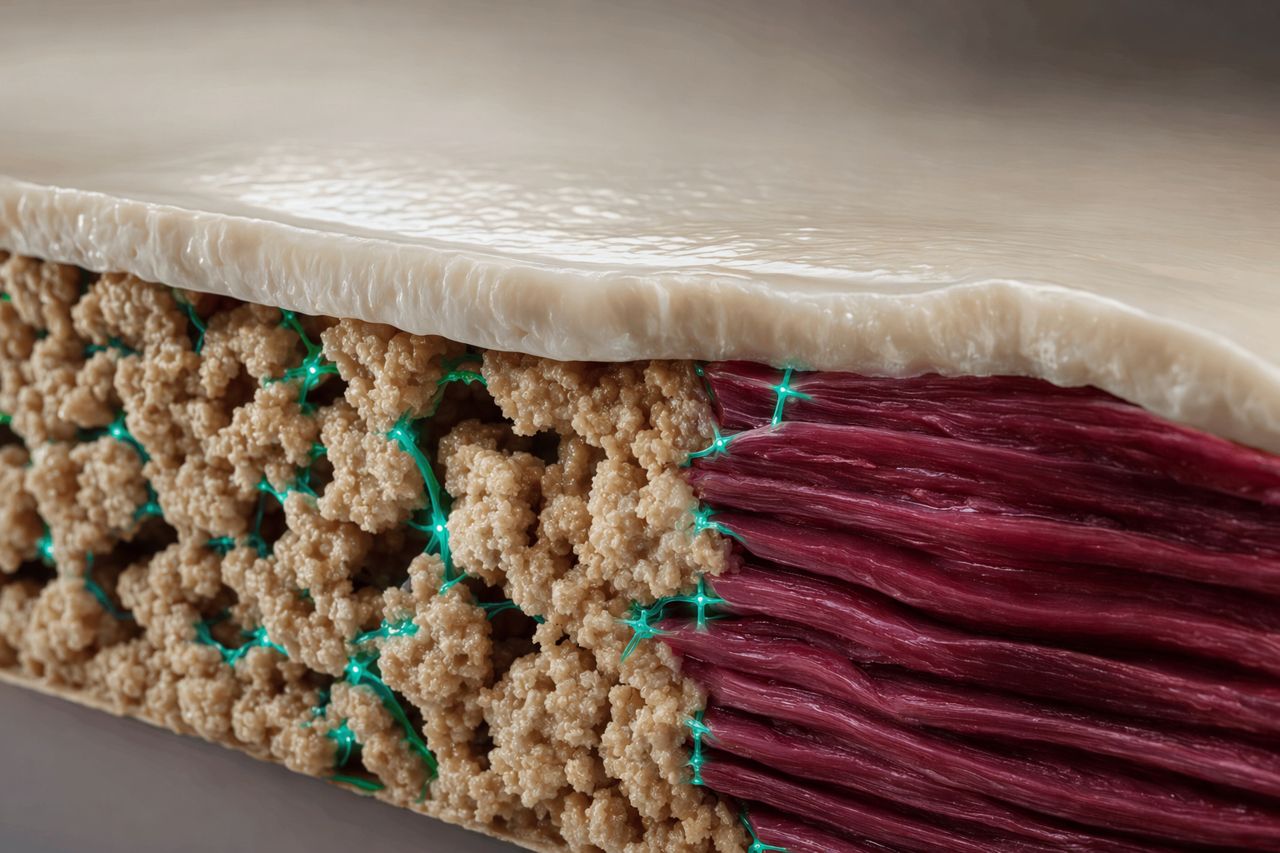
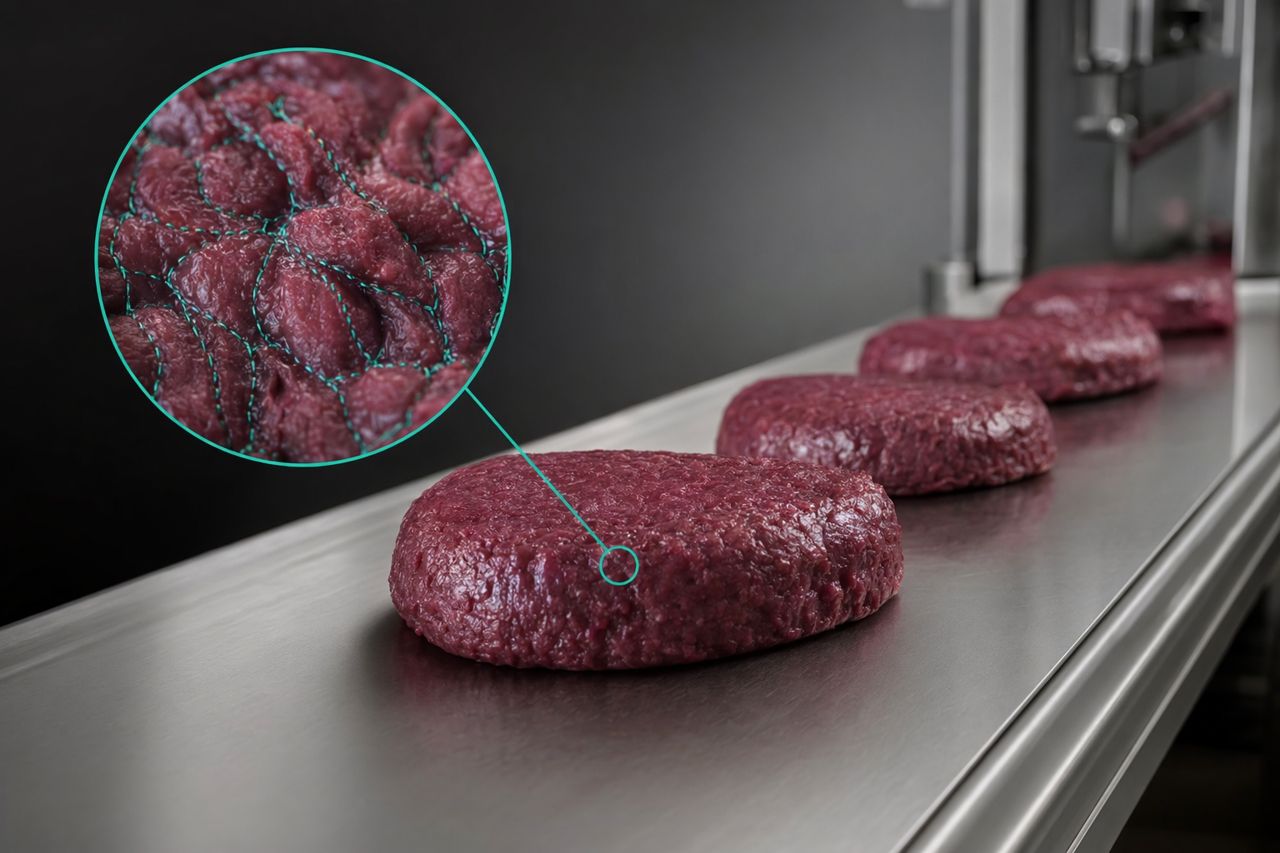
Transglutaminase works inside that material system by encouraging protein-to-protein crosslinks. These crosslinks act like microscopic stitching. Instead of loose protein strands behaving independently, the system becomes more connected.
That connectivity can create:
- better cohesion between muscle pieces or protein particles
- stronger gels in dairy and alternative protein systems
- improved elasticity or firmness, depending on the matrix
- better resistance to mechanical stress during slicing or packing
- improved product integrity after cooking or cooling
The final result depends on protein type, water level, salt system, pH, temperature profile, mixing energy, contact time, and whether other hydrocolloids, starches, fibers, phosphates, or dairy proteins are present.

Common Food-Processing Applications
Meat, Poultry, and Seafood Binding
Transglutaminase is widely used where smaller pieces, trims, or structured portions need to bind into a consistent finished format.
It can improve:
- portion integrity
- slicing performance
- bite uniformity
- cook yield
- handling strength before and after heat treatment
In seafood systems, it can help delicate proteins form cleaner, more stable structures without making the product feel rubbery when properly formulated.
Dairy Gels and Cultured Products
In dairy systems, transglutaminase can strengthen protein networks and influence gel firmness, whey separation, and mouthfeel.
Typical objectives include:
- improved yogurt or fermented gel stability
- reduced syneresis
- firmer texture in high-protein dairy systems
- cleaner structure in cheese or cheese-style applications
- better sensory body without over-reliance on stabilizers
The outcome depends heavily on milk protein composition, heat history, culture process, and total solids.
Plant-Based and Hybrid Proteins
Plant proteins often bring variability: different solubility, particle size, hydration behavior, off-notes, and texture limitations. Transglutaminase can help create more coherent networks in selected plant-based and hybrid systems.
It is commonly evaluated for:
- plant-based meat analogues
- hybrid meat-plant products
- high-protein snacks
- meat-free fillings and formed products
- alternative dairy gels
Not every plant protein responds the same way. Substrate selection and process design matter.
Noodles, Bakery, and Prepared Foods
Where protein contributes to elasticity, bite, or structure, transglutaminase may support improved dough handling, firmness, or finished texture. In prepared meals, it can help protein-rich components retain integrity through cooking, chilling, freezing, and reheating.
Cross-Linking Is Not One Texture
A common misconception is that transglutaminase only makes products firmer. Its effect depends on the protein system and the process conditions. It can be used to create:
- A clean slice in formed meat or seafood portions
- A tighter gel with less syneresis
- A resilient bite in plant-based structures
- Improved cohesion in high-moisture or particulate systems
- Stronger emulsion interfaces in protein-stabilized products
- Better shape retention through cooking, chilling, and handling
The target should not be maximum firmness. The target should be the right network: cohesive, process-stable, and aligned with the eating experience. In protein-stabilized emulsions, for example, cross-linking can reinforce the protein layer around fat or oil droplets, supporting texture, stability, and handling performance.
Questions to Answer Before Specifying Transglutaminase
- What protein system is being structured?
- Is the goal binding strength, gel firmness, yield, sliceability, water retention, or emulsion stability?
- When will the enzyme be added, and how will it be dispersed?
- What contact window is available before cooking, chilling, forming, or packaging?
- How will enzyme action be stopped or controlled?
- Which ingredients might block, dilute, or compete with the target proteins?
- What sensory limits define success: bite, chew, juiciness, cut face, or melt?
- What operational constraints matter: batching, pumpability, hold time, allergen program, labeling, and regional compliance?
Answers to these questions are also the fastest way to a precise quote: send them with your inquiry.
What Transglutaminase Does Not Do
Clear expectations help avoid failed trials.

Transglutaminase does not:
- replace good raw material quality
- make low-protein systems behave like high-protein systems by itself
- solve microbial control issues
- remove allergens from protein ingredients
- correct poor hydration or inadequate mixing
- guarantee texture improvement without process alignment
- work identically across animal, dairy, and plant protein systems
It is most effective when treated as part of the formulation architecture, not as a last-minute correction.
Key Formulation Variables
For successful use, technical teams typically evaluate:
Protein Substrate
The protein source determines how much structure can be built. Muscle proteins, caseins, whey proteins, soy, pea, wheat, and other plant proteins each respond differently.
Water and Hydration
Protein needs proper hydration for effective interaction. Too little water can limit mobility. Too much free water can dilute structure and weaken the finished matrix.
Salt and Ionic Conditions
Salt can improve protein extraction and functionality in some systems, especially muscle-based applications. The right balance supports binding without creating harsh texture or excessive purge.
Time and Temperature
The enzyme needs process time under suitable conditions before the structure is locked in by cooking, cooling, acidification, or other process steps. Trial design should reflect actual plant timing, not only bench conditions.
Mixing and Contact
Uniform distribution matters. Poor dispersion can create uneven binding, weak spots, or localized firmness.
Downstream Processing
Cooking, fermentation, freezing, slicing, tumbling, filling, and packaging all influence final performance. Transglutaminase should be evaluated across the full process, not only immediately after mixing.
Ingredient Format and Handling
Commercial transglutaminase products are commonly supplied as formulated powders or blends designed for practical dispersion and controlled use in food manufacturing.
When sourcing, buyers should review:
- enzyme source and production basis
- carrier and blend composition
- allergen status
- GMO or non-GMO positioning where relevant
- halal, kosher, or other certification needs
- regulatory suitability for target markets
- shelf-life and storage requirements
- lot documentation and traceability
- technical support for application trials
Procurement should align with R&D before supplier qualification. Two products called transglutaminase may perform differently in a real formulation because of blend design, carrier system, and application fit.
Labeling and Regulatory Considerations
Transglutaminase use and labeling expectations can vary by country, product category, and application. Some markets may treat it as a processing aid under certain conditions; others may require ingredient declaration or additional review.
Manufacturers should confirm requirements with internal regulatory teams and local authorities for each finished product and sales region.
Why It Matters Commercially
The commercial value of transglutaminase is not only texture. It can support better use of protein inputs, improved finished-product consistency, and wider design space for new product development.
For many processors, the most important gains are operational:
- stronger formed products with fewer defects
- improved slicing yield
- reduced breakage in packing and distribution
- more consistent eating quality across raw material variation
- better water and structure management
- differentiated textures in high-protein or alternative-protein formats
Used correctly, transglutaminase helps convert protein variability into controlled structure.
When to Evaluate Transglutaminase
Consider a trial when your product has one or more of these challenges:
- pieces separate during cooking or handling
- formed products crack, crumble, or delaminate
- gels are too weak or release too much water
- plant-based textures lack cohesion
- slice yield is inconsistent
- high-protein formulas feel grainy or unstable
- raw material variability is affecting finished quality
- you need stronger structure without making the product dense or dry
The best trials start with a target texture, a defined process window, and measurable plant-relevant outcomes.
Request Pricing or Technical Guidance
If you are evaluating transglutaminase for a specific product format, share the application, protein system, process conditions, and target texture. Transglutaminase Enzyme Solutions can help route the request for pricing, documentation, and application-fit discussion.
Ready for a quote? Use the inquiry form at the foot of this page. Tell us the application, the quantity per order or per year and the delivery country. Price, pack size and lead time are quoted per order.